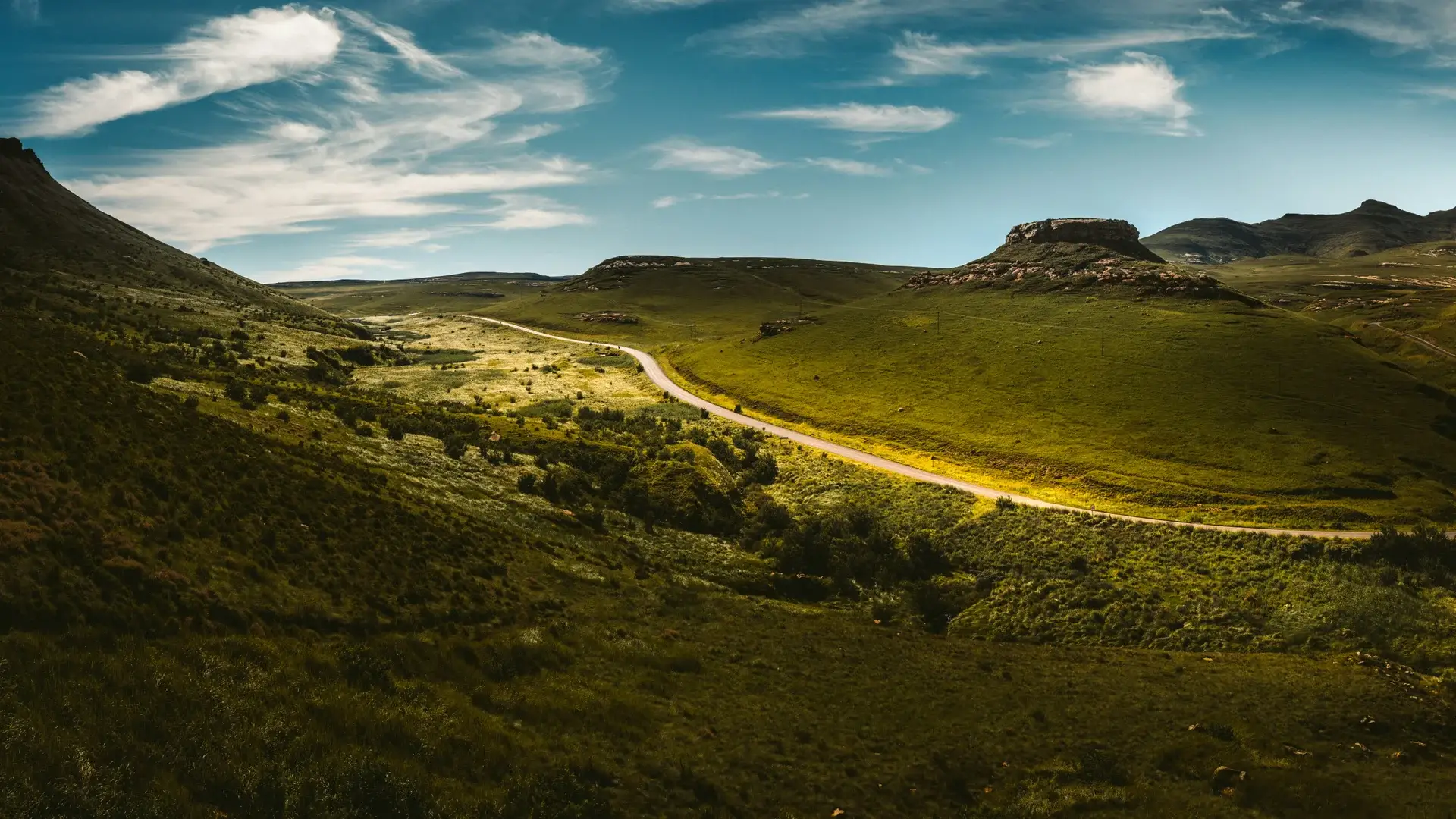
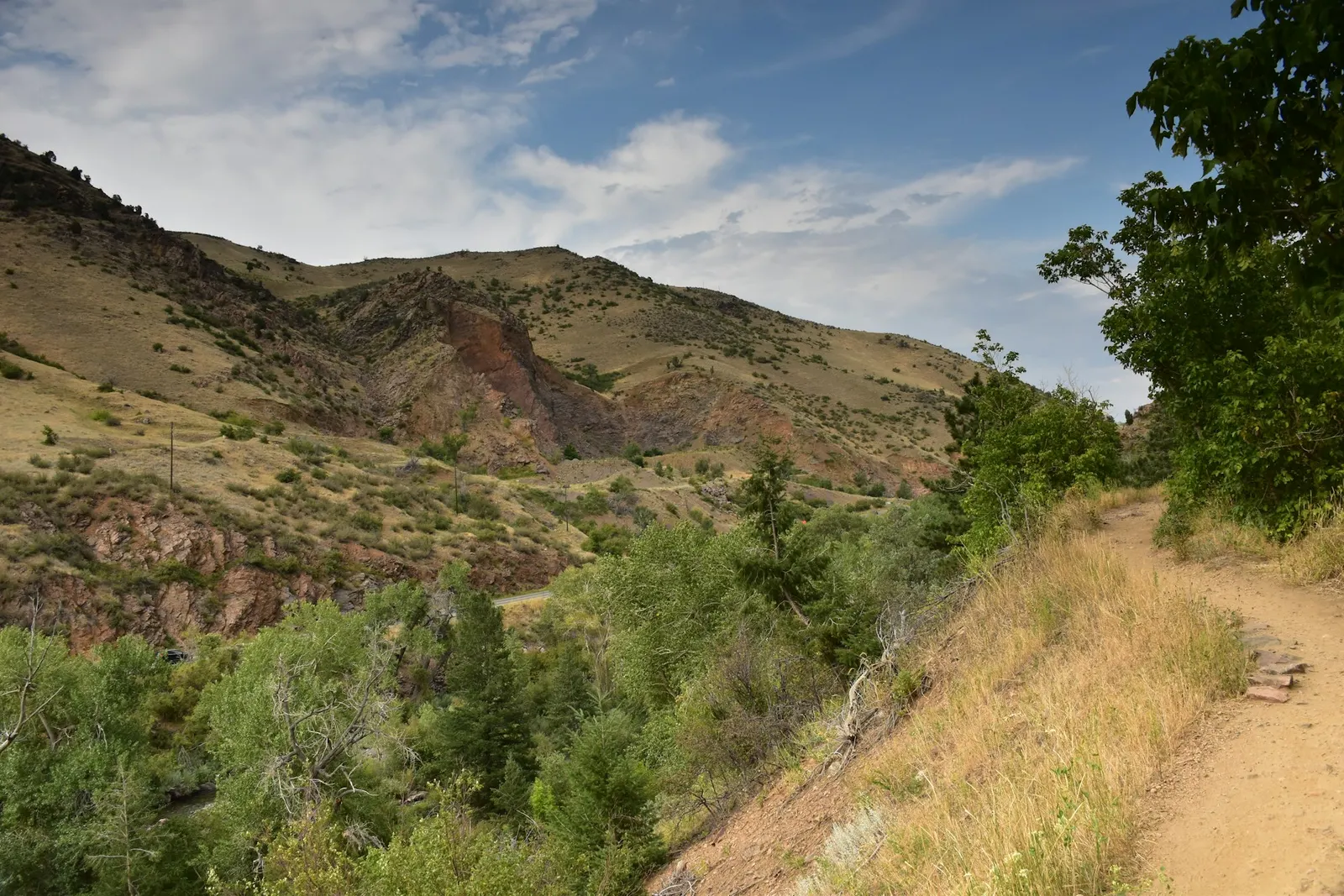
The sandstone landscapes around Clarens hold remarkable clues to life from deep geological time, including ancient trackways, bones, teeth and plant impressions. A guided dinosaur or fossil-focused outing is one of the best ways to understand these fragile discoveries while experiencing the Eastern Free State’s dramatic terrain.
For curious children, keen photographers and anyone who has looked at the Golden Gate-style cliffs and wondered what happened here long before people arrived, fossil tours add a fascinating layer to a Clarens visit. They are not simply walks in beautiful scenery: they offer a chance to read the rocks, notice small details and appreciate why this part of the Free State is important to palaeontology.
What fossils have been found in the Clarens sandstone region?
The wider sandstone region preserves evidence of ancient environments and the animals and plants that once lived in them. Fossil discoveries and traces can include dinosaur footprints, trackways, teeth, claws, limb bones and leaf impressions. These finds help build a picture of a changing prehistoric world, from wet margins around rivers or lakes to drier sandy landscapes.
Tracks are especially compelling because they capture a moment rather than just a body part. A sequence of footprints may suggest an animal’s direction of travel, stride and size, while the shape of an individual print can offer clues about the kind of creature that made it. Some sites have also revealed tracks attributed to mammal-like reptiles, an ancient group that predates mammals as we know them today.
Fossils are not always immediately obvious. Leaf impressions may look like delicate marks in a rock surface, and weathered footprints can be difficult for an untrained eye to distinguish from natural cracks or hollows. This is one reason a knowledgeable guide makes such a difference.
Why take a guided dinosaur or fossil tour?
Historic tours in the area commonly began with a geology and palaeontology briefing before heading out to an ancient river or lake bed where dinosaur and mammal-like reptile tracks could be seen. That combination of background and field observation remains a useful model for understanding the landscape. Learning how sandstone formed, how sediment preserved traces and how scientists interpret trackways makes the experience far more meaningful than simply searching for “dinosaur footprints”.
Guided access also matters because fossil-bearing places can be on private land, within protected areas or reached only by routes that require local knowledge. Conditions can change after rain, erosion, maintenance work or land-management decisions. A guide or authorised host can explain the rules for a particular site, identify features without unnecessary touching and help visitors avoid damaging sensitive rock surfaces.
Before making plans, confirm that a tour is currently operating, where it starts, how long it takes and whether transport is included. Ask whether the route involves uneven ground, steep sections or exposure to sun and wind. It is also sensible to check age guidance for children, group-size limits, weather arrangements and any permits or entry requirements that may apply.
What families can expect
A fossil outing around Clarens can be an excellent family activity when expectations are realistic. Children often enjoy the detective work of comparing footprints, looking for patterns in the rock and imagining an ancient riverbank or lakeshore. A good guide can turn geology into a story of shifting landscapes, animals on the move and traces preserved over immense spans of time.
Most of the interest lies in careful observation rather than in dramatic excavations. Visitors may see exposed rock layers, impressions or trackways rather than complete skeletons. That is part of the appeal: these are real landscape clues, viewed in the setting where they have survived. Encourage young visitors to look closely, ask questions and take photographs rather than expecting to leave with a fossil souvenir.
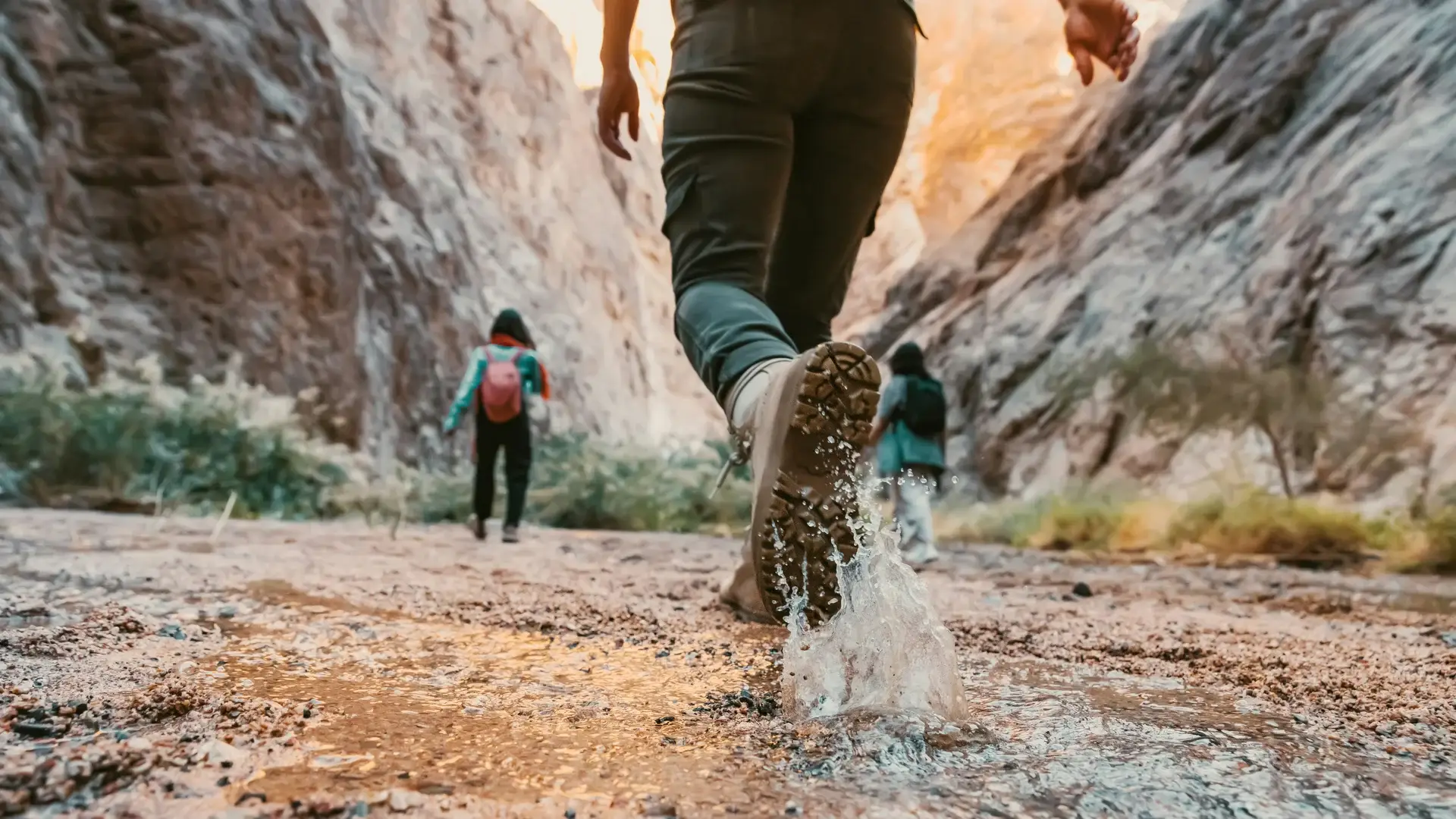
Bring water, snacks if the tour information recommends them, sun protection and clothing suitable for the season. Clarens weather can change quickly, so a light warm layer and rain protection are useful even on a clear morning. Closed shoes with reliable grip are generally a sensible choice for rocky or uneven terrain. For families with very young children, confirm the walking distance and surface conditions in advance.
Protecting fossils and the landscape
Fossils and trackways are irreplaceable. A footprint that has endured for millions of years can be damaged surprisingly quickly by repeated touching, scraping, climbing or attempts to make casts. Never chip at rock, dig for specimens, pour water or other substances over impressions, or remove anything from a fossil site. Visitors should not assume they may freely collect fossils, even loose-looking pieces.
Stay on the route indicated by your guide or landowner, keep children close around exposed surfaces and avoid standing on trackways or marked fossil areas. Take photographs from a respectful distance, without moving rocks or vegetation to improve a picture. If you notice something that looks unusual, point it out to the guide rather than handling it. A new discovery may need expert assessment and its exact location may be sensitive.
Responsible behaviour protects more than fossils. Sandstone slopes and stream margins can be vulnerable to erosion, while the surrounding landscape supports plants and wildlife that deserve the same care. Carry out all litter, avoid disturbing animals and leave the site looking unchanged for the next visitors and researchers.
Planning your Clarens fossil experience
Availability for dinosaur and fossil tours can vary, particularly with season, weather, guide schedules and access permissions. Start by checking current listings through local tourism channels, accommodation hosts or recognised guiding services in Clarens. Confirm the meeting point, duration, cost, minimum group requirements and cancellation policy directly before travelling, as these details may change.
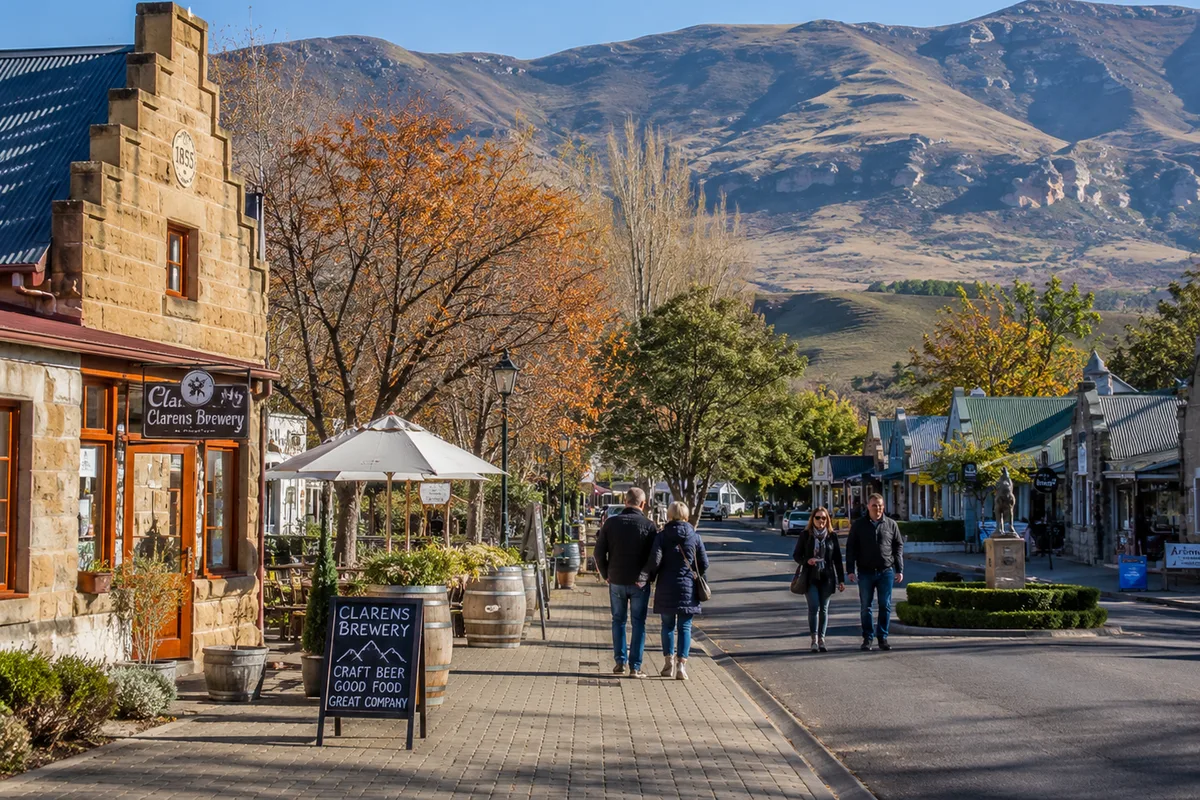
If a formal tour is not available during your stay, Clarens still offers a memorable introduction to the region’s geological story through its sandstone scenery, mountain views and local heritage interpretation. A guided outing, when available, remains the best option for visitors who want to see fossil evidence responsibly and understand the remarkable prehistoric landscape beneath the modern Free State sky.