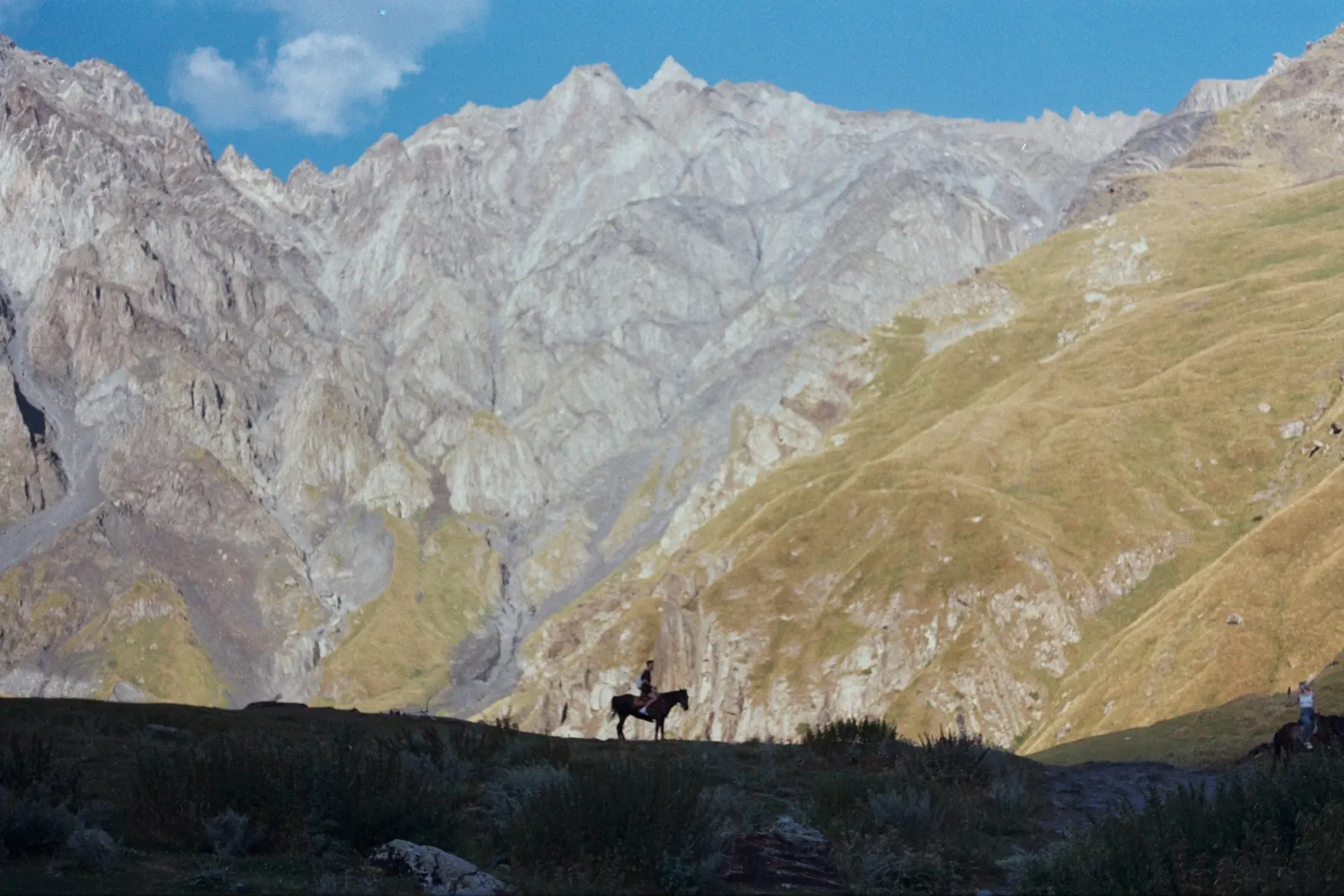
Horse riding is a memorable way to experience Clarens and the wider Eastern Free State at an unhurried pace. Guided rides can take in open grassland, sandstone scenery and mountain foothills, with options that may suit first-time riders as well as confident horse people.
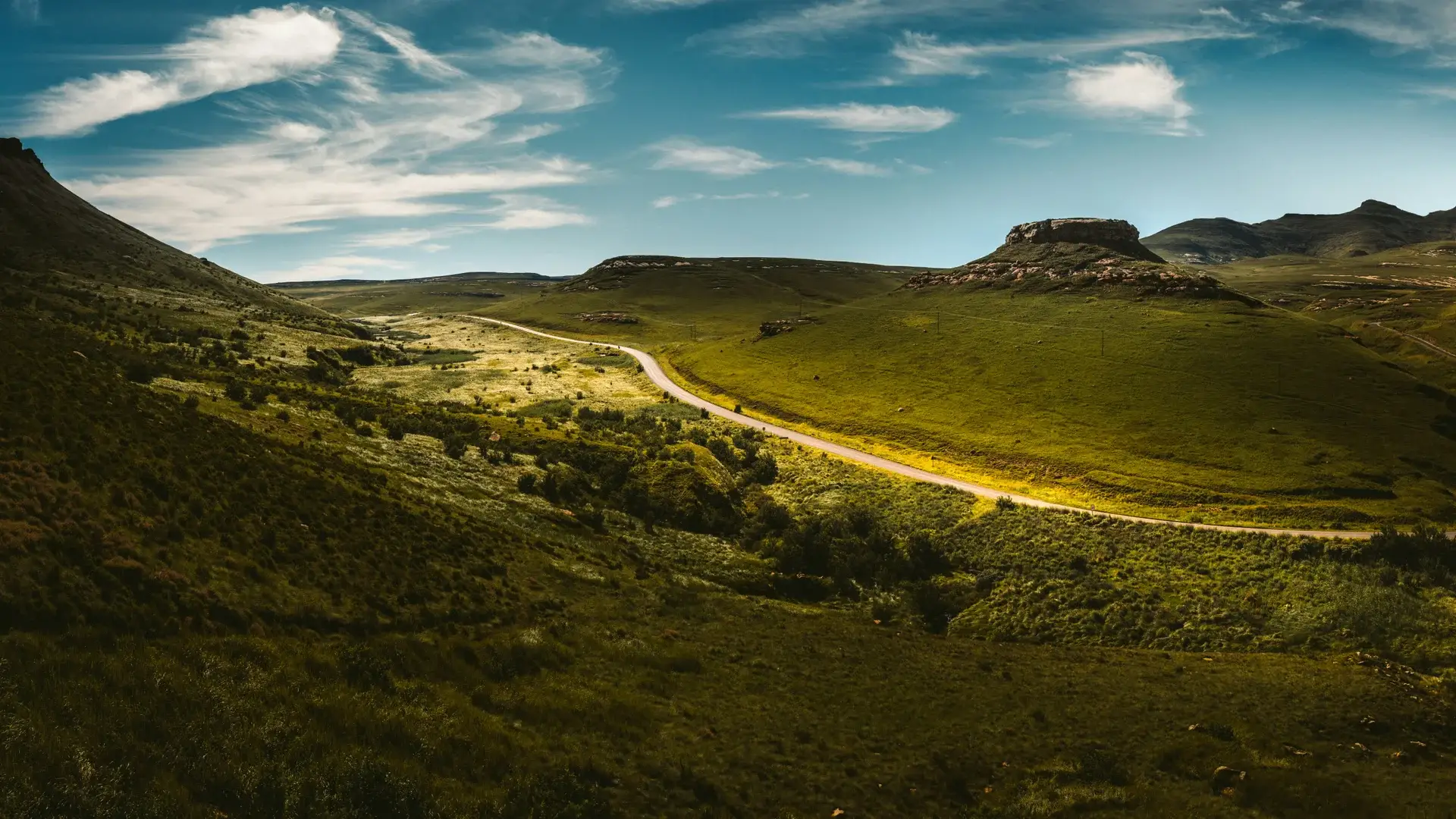
The region’s big skies, rolling farmland and distinctive golden cliffs make it particularly appealing from the saddle. Rides have historically explored the countryside around Clarens and, depending on the provider and conditions, may extend towards the Golden Gate area. Routes, access arrangements and availability can change, so it is wise to confirm the current offering directly with the operator before making travel plans.
Choosing the right ride
The best ride is not necessarily the longest or fastest one. Choose according to your experience, confidence, fitness and the kind of outing you want. A gentle introductory trail can be ideal if you have never ridden before, are travelling with children, or simply want to enjoy the scenery without feeling pressured. More experienced riders may prefer a longer outing with varied terrain and opportunities to move beyond a walk when the guide considers it suitable.
Match the ride to your ability
First-time riders: Look for a specifically beginner-friendly guided ride. These usually focus on basic steering, stopping, posture and feeling comfortable at a walk.
Occasional riders: If you have ridden before but are rusty, be honest about the gap since your last ride. A calm, steady trail is often more enjoyable than choosing an advanced ride too soon.
Confident riders: Ask whether the route includes varied ground, longer distances or faster paces. Your ability should be assessed by the guide on the day, rather than assumed from a description.
Families and groups: Check whether participants will ride together, whether there are age restrictions, and whether the group pace is appropriate for everyone.
Duration matters too. A short ride is a sensible introduction for beginners, young riders and anyone uncertain about comfort in the saddle. Longer rides offer more immersion in the landscape, but require greater stamina and can be affected by weather, terrain and the needs of the group. Ask about the approximate time spent riding, not only the overall meeting time, as preparation and safety briefings are part of the experience.
What beginners can expect
A responsible guided outing should begin with an introduction to the horse, tack and basic riding instructions. You may be shown how to mount, hold the reins, ask the horse to move forward, turn and stop. Listen carefully, even if the instructions sound simple. Horses respond best to calm, clear cues, and a relaxed rider is generally more comfortable in the saddle.
On many beginner trails, the horses travel in a line behind the guide at a controlled pace. You do not need to be an expert to enjoy this. Keep a comfortable distance from the horse in front, avoid sudden movements, and follow the guide’s instructions about where to place your hands and feet. Let the guide know immediately if you feel nervous, uncomfortable or unsure; they are there to manage the outing and help riders feel at ease.
The Eastern Free State landscape can include uneven ground, slopes, loose stones and narrow sections of trail. A horse’s movement may feel unfamiliar at first, particularly on inclines. Stay centred in the saddle, look ahead rather than down, and allow the horse room to choose secure footing where appropriate.
What to wear and bring
Comfortable, practical clothing makes a substantial difference. Wear long trousers that allow you to move easily, preferably without bulky seams that may rub. Avoid loose scarves, flowing garments or anything likely to catch on tack or vegetation. Layers are useful in Clarens, where mornings can feel cool and the temperature may shift quickly during the day.
Choose closed shoes with a small heel and a secure fit. Riding boots are ideal, but sturdy ankle boots may be suitable if the operator agrees.
Avoid open sandals, slip-on shoes and footwear with very smooth soles.
Bring sunscreen, sunglasses if comfortable, and drinking water where permitted.
Pack a light rain layer in unsettled weather, but avoid noisy or flapping jackets that may unsettle a horse.
Secure cameras and phones carefully. Ask whether it is practical or safe to take photographs while riding.
Helmets are an important safety consideration. Ask in advance whether helmets are supplied, required or available in suitable sizes. If you own an approved riding helmet, check with the operator before bringing it. Do not assume that a cap, sun hat or bicycle helmet is an equivalent substitute.
Safety and horse welfare
A good riding experience depends on horses that are suitably matched to riders, guides who know the terrain, and a group that moves at a considered pace. Be frank about your height, weight, health considerations and riding experience when booking. Operators may have rider weight limits, age limits or other requirements designed to protect both guests and horses.
Pay attention to how the horses are handled. They should appear alert, appropriately tacked up and treated calmly. Guides should explain basic safety rules, including how to approach a horse, when to mount, how to space the group and what to do if the horse stops or becomes unsettled. Never feed, crowd or walk behind a horse without guidance.
Respect the landscape as well. Remain on the route selected by the guide, do not leave litter, and avoid disturbing livestock or wildlife. The sandstone country and grasslands are part of what makes riding here special; careful trail behaviour helps keep these places enjoyable for future visitors.
Plan around the weather
Weather shapes every ride in the high-lying Eastern Free State. Summer afternoons can bring heat and thunderstorms, while winter mornings may be cold and frosty before warming in the sun. Wind, rain and wet ground can affect trail conditions, visibility and the pace of a ride. A provider may alter, shorten or postpone an outing if conditions are unsuitable, so build flexibility into your itinerary.
Check the forecast close to departure, dress in adaptable layers and ask what the operator’s wet-weather or cancellation approach is. If you are visiting specifically to ride, consider allowing more than one possible day in Clarens rather than relying on a single fixed opportunity.
Questions to ask before you book
Is the ride suitable for my riding level, and how is ability assessed?
How long is the experience, and how much of that time is spent in the saddle?
Are there minimum ages, maximum ages, rider weight limits or fitness requirements?
Are helmets provided or compulsory, and what footwear is acceptable?
What route is planned, what terrain should I expect, and can it change with conditions?
How far in advance should I book, and what happens if weather affects the ride?
What information should I share about medical conditions, injuries or nervousness before arrival?
With the right preparation, horse riding offers a quietly adventurous perspective on Clarens and its surrounding countryside. Take time to choose a reputable guided experience that suits your ability, listen to the briefing, and let the steady rhythm of the trail reveal the Eastern Free State’s wide-open character.