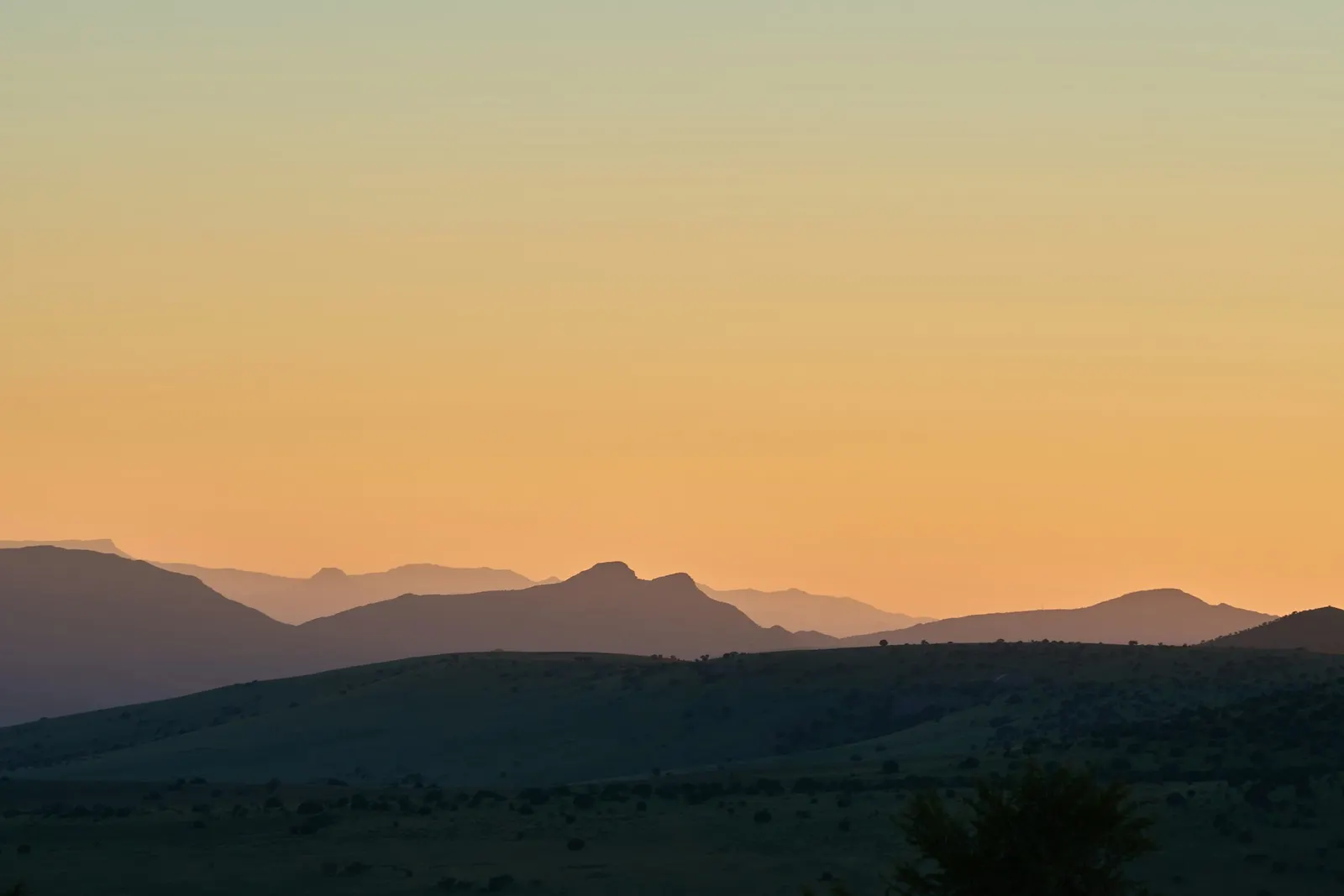
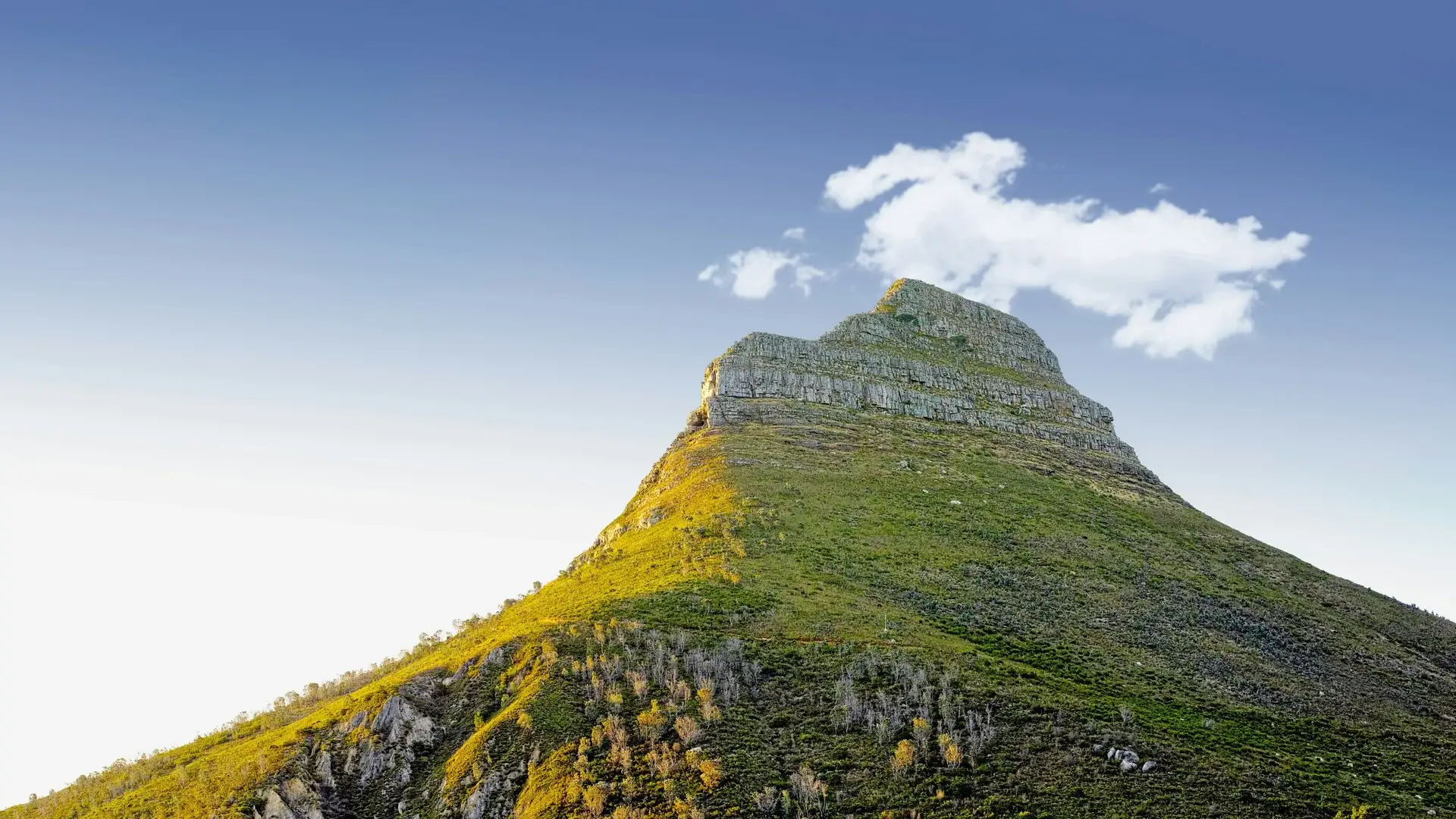
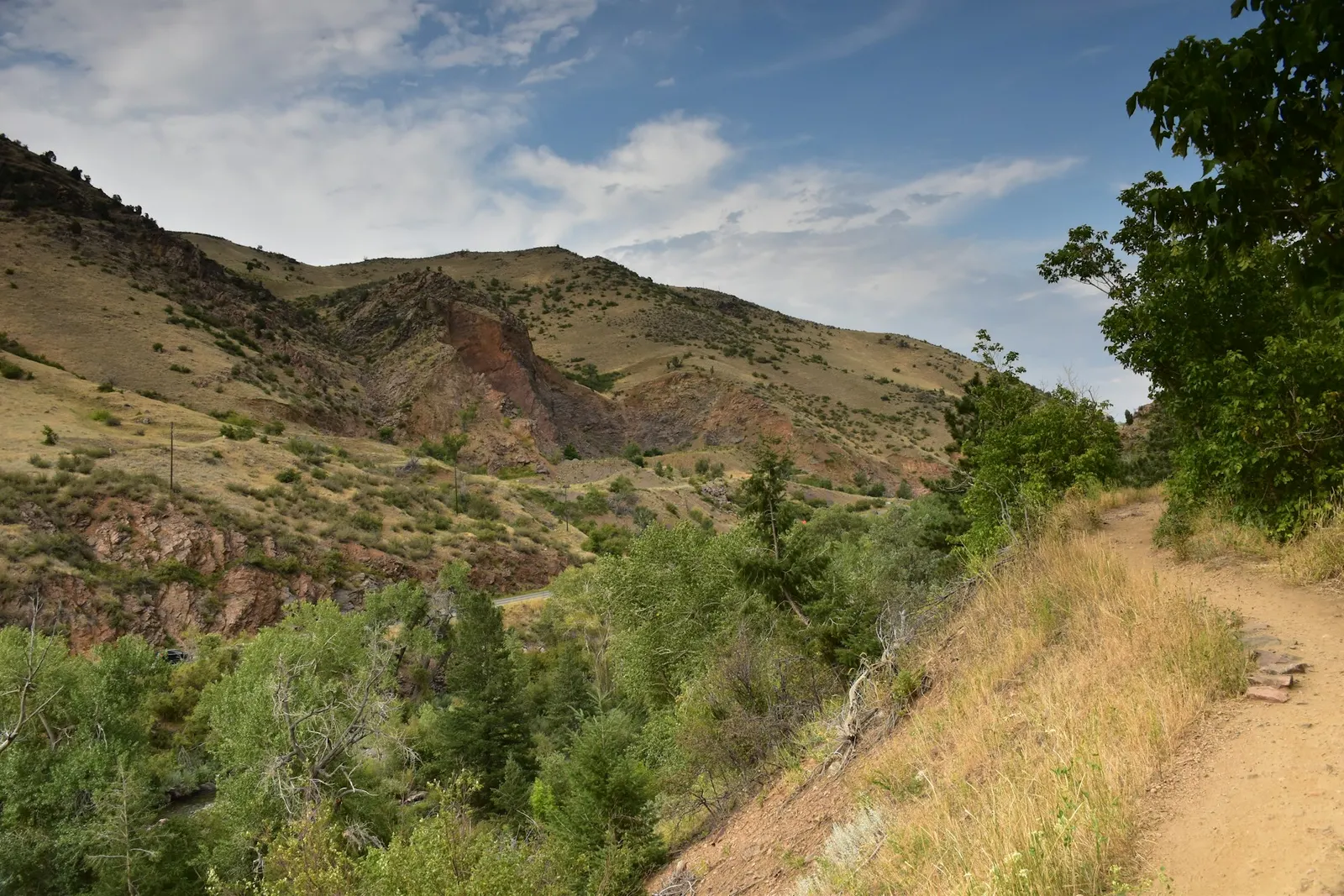
Clarens is a remarkable birding base in the Eastern Free State. Within a short drive of the village, birders can move between rolling highveld grassland, sandstone ravines, mountain slopes, riverine habitat and wetland edges. This variety, combined with the dramatic Maluti Mountains on the horizon, makes the area rewarding for both first-time birdwatchers and committed listers.
The landscape is especially well suited to birds of prey and high-altitude specialists. Golden Gate Highlands National Park, just outside Clarens, protects an exceptional mosaic of montane grassland and cliffs, while the Ash River adds quieter waterside birding close to town. Bring binoculars, allow time to scan rather than rush, and keep looking up: some of Clarens’ most memorable birds arrive on the wind.
The headline bird: Bearded Vulture
The Bearded Vulture, also known as the Lammergeier, is the species that captures many birders’ imaginations in this part of the Free State. One of Africa’s rarest raptors, this immense, elegant vulture is recognisable by its long, narrow wings, wedge-shaped tail and dark facial “beard”. Adults may show warm rusty-orange tones on the underparts, while younger birds are generally darker.
Unlike most vultures, Bearded Vultures specialise in bone and carrion, famously dropping large bones onto rocks to break them into edible pieces. Seeing one glide along a mountain ridge is an unforgettable Clarens experience. Sightings are never guaranteed, but the escarpment landscapes and conservation focus of the Golden Gate area offer one of the region’s best chances of encountering this extraordinary bird.
Other birds to look for
Clarens rewards patient observation with a strong mix of grassland, cliff and wetland species. Some are conspicuous, while others take a little more persistence.
Ground Woodpecker: Listen for its loud, ringing calls on rocky slopes and open grassland. Unlike most woodpeckers, it often feeds on the ground and may be seen moving over boulders or short turf.
Jackal Buzzard: A familiar and handsome raptor of the highveld, often seen perched on poles or rocks, or circling over open country. Its distinctive call is part of the soundscape of mountain roads.
Southern Bald Ibis: Often still called Bald Ibis, this glossy, dark ibis has a bare red face and is strongly associated with montane grassland and cliffs. Watch for flocks feeding in open fields or flying between roosting sites.
Orange-breasted Rockjumper: This sought-after southern African endemic favours rocky mountain terrain and grassland slopes. Its bright orange breast and active, hopping behaviour make it a special prize for visiting birders.
Black Stork: A striking, scarce wetland and river bird with dark plumage, a white belly and red bill and legs. Quiet stretches of the Ash River and suitable pools in the wider area can be productive places to scan.
Keep an eye out as well for Cape Vulture, Verreaux’s Eagle, Rock Kestrel, Mountain Wheatear, Sentinel Rock-Thrush, Cape Rock-Thrush and a changing selection of cisticolas, pipits and larks in the grasslands. The exact mix depends on altitude, weather and season.
Best birding spots around Clarens
Golden Gate Highlands National Park and the Vulture Restaurant
Golden Gate Highlands National Park is the essential birding excursion from Clarens. Its golden sandstone cliffs, mountain passes and broad grasslands create habitat for raptors, ibis, chats and rock-loving species. Drive slowly, stop safely at viewpoints and scan cliff faces, ridgelines and thermals. Early morning light is particularly beautiful on the sandstone, while warming air later in the day can bring soaring birds aloft.
The park’s vulture hide, widely known as the Vulture Restaurant, is a key destination for anyone hoping to observe vultures responsibly from a dedicated viewing point. It is especially valuable because it allows birders to watch these powerful scavengers without disturbing them. Access, activity and opening arrangements can vary, so check current park information before setting out. Sit quietly, remain patient and treat any wildlife sighting as a privilege rather than a performance.
Ash River wetlands
The Ash River offers a gentler counterpoint to the high mountain scenery. Wetland margins, river pools, reeds and adjacent open areas attract waterbirds, waders and species that are easy to overlook in the more dramatic landscapes. Scan slow-moving water for Black Stork, herons, egrets, ducks and kingfishers, and listen in reedbeds for warblers and other small birds.
Morning is usually best, when bird activity is high and light is softer. Walk quietly where public access permits, avoid trampling wetland vegetation and give birds plenty of space, particularly in breeding season. A small notebook or birding app is useful here, as the river can produce unexpected records.
Clarens Nature Reserve
Clarens Nature Reserve is ideal for a short, accessible birding outing close to the village. The reserve’s trails and slopes offer open views over grassland and sandstone formations, making it a good place to practise raptor identification. Ground Woodpeckers, buzzards, ibises, swifts and a variety of smaller grassland birds may all be encountered.
Go early or late in the day, take water and sun protection, and wear sturdy shoes. The reserve is also a wonderful place to combine birding with a leisurely walk and wide views across the valley.
The Maluti Mountains: a seasonal corridor
The Maluti Mountains are more than a spectacular backdrop to Clarens. Their slopes, valleys and upland grasslands form part of a broader movement corridor for birds travelling between seasonal feeding and breeding areas. Summer rainfall transforms the landscape, bringing insects, flowering plants and fuller wetlands that support migrant species and breeding activity. In winter, the crisp air and open views make it easier to scan ridges for resident raptors and mountain birds.
Migration is not always obvious: it may be a shift in calls, an unfamiliar bird in a wetland, or a sudden increase in aerial insect-eaters after rain. Visiting birders should keep expectations flexible and enjoy the changing character of the landscape.
Practical tips for beginner birders
Start with binoculars rather than a long list. A clear view, good light and patient watching are more useful than rushing between sites.
Bird early in the morning, when temperatures are cooler and birds are most active. Late afternoon can also be excellent for raptors.
Dress in muted layers. Clarens weather can change quickly, particularly in the mountains, so carry a warm layer and rain protection.
Use a regional bird guide or identification app, but first note a bird’s size, shape, habitat and behaviour before focusing on colour.
Stay on designated paths, never approach nests or roosts, and avoid playback near sensitive birds such as vultures and breeding raptors.
Best seasons for birdwatching
Birding is worthwhile throughout the year in Clarens. Spring and summer, roughly September to March, bring green grasslands, active breeding birds, migrant visitors and lively wetland habitat. This is the best period for variety, although afternoon thunderstorms are common. Autumn offers clear days and pleasing temperatures, while winter brings dry grassland, excellent visibility and dramatic opportunities to watch raptors using mountain updrafts.
Whether you arrive with a detailed target list or simply a pair of binoculars, Clarens makes birdwatching feel like part of the journey. From the silhouette of a Bearded Vulture above the cliffs to the call of a Ground Woodpecker on a rocky slope, every outing offers a reason to pause and look closer.